
Understanding the psychological triggers that drive gambling behavior
The Nature of Gambling and Its Appeal
Gambling is a behavior deeply rooted in human psychology, often attracting individuals with the allure of excitement and potential financial gain. The thrill associated with games of chance, whether they be card games, lotteries, or slot machines, taps into innate desires for risk and reward. The excitement of winning can create a rush, stimulating the brain’s reward pathways, similar to how drugs or other pleasurable activities do. One such engaging experience is the ice fishing game, which offers a unique twist on traditional gambling, thus reinforcing the behavior.
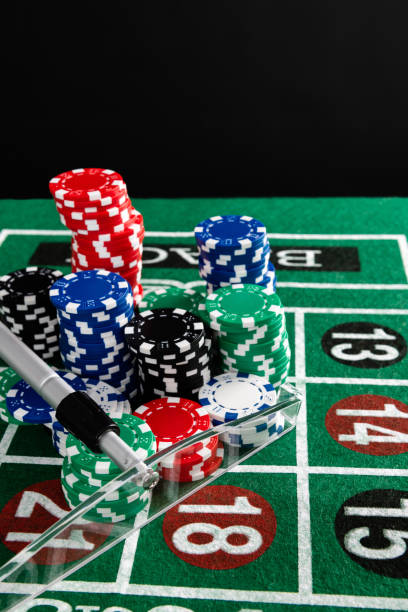
This immediate gratification experienced when winning is a significant psychological factor that drives gambling behavior. Many people find it hard to resist the hope that their next bet could yield a jackpot, which can lead to a cycle of repeated gambling. The unpredictability of results adds to this appeal, as individuals cannot predict when they might strike it rich, keeping them engaged and invested in the gamble.
Moreover, the social aspect of gambling cannot be overlooked. Many people participate in gambling activities with friends or at social events, where the camaraderie can further enhance the experience. This blending of social interaction with the thrill of gambling creates a unique environment that can make it even more enticing, as individuals are often influenced by those around them, thereby escalating their gambling behavior.
The Role of Cognitive Biases
Cognitive biases significantly affect how individuals perceive gambling and their chances of winning. One of the most common biases is the illusion of control, where gamblers believe they can influence the outcome of games purely based on their skills or strategies, even in predominantly luck-based scenarios. This can lead them to engage in riskier behavior, convinced that their decisions have a tangible impact on the results.
Another prevalent cognitive bias is the gambler’s fallacy, which is the belief that past random events influence future outcomes. For instance, if a particular number hasn’t come up in a game of roulette for several spins, some players may erroneously believe that it is “due” to appear soon. Such misconceptions create a fertile ground for persistent gambling, as individuals convince themselves that their chances of winning are better than they actually are.
These cognitive biases underscore the irrationality that often accompanies gambling. Many gamblers become trapped in a cycle of chasing losses, believing that their next bet could recover previous losses. This irrational reasoning can lead to significant financial consequences and highlight the profound psychological triggers that can drive individuals deeper into gambling behavior, often against their better judgment.
The Role of Emotions in Gambling Decisions
Emotions play a critical role in gambling behavior, influencing decisions and overall engagement. Many gamblers experience a rush of adrenaline during play, and this heightened emotional state can lead to impulsive decisions. Positive emotions, such as joy and excitement, can prompt continued gambling, whereas negative emotions, like stress or anxiety, may lead some individuals to gamble as an escape from reality.
Furthermore, the environment in which gambling occurs can amplify emotional responses. Bright lights, sounds of slot machines, and the atmosphere of a casino contribute to an emotionally charged experience that can diminish logical thinking. In such settings, gamblers may lose sight of their financial limits, leading to excessive gambling driven by emotions rather than rational thought.
The interplay of emotions and gambling often results in a double-edged sword. While winning can lead to feelings of elation, losses can trigger negative emotions such as frustration and disappointment. This cycle can result in individuals increasing their bets in an attempt to regain lost money, further entrenching them in their gambling habits, demonstrating how emotions significantly influence gambling behavior.
The Impact of Marketing and Environment
The gambling industry’s marketing strategies are designed to appeal to psychological triggers, encouraging individuals to engage in betting behavior. Promotions, bonuses, and advertisements often emphasize the potential for big wins, tapping into the desire for immediate gratification and excitement. By crafting messages that highlight success stories, companies create an allure that can entice even the most cautious individuals.
The physical environment of gambling establishments is also meticulously designed to enhance the experience and encourage prolonged gambling. Casinos, for example, often lack clocks and windows, creating a timeless atmosphere that can lead to prolonged sessions. The sensory stimulation from sounds, sights, and the thrill of winning further immerses gamblers, making it easy to lose track of time and money.
This combination of marketing tactics and environmental design can create a powerful psychological impact, influencing individuals to gamble more than they initially intended. The sense of escapism that gambling provides can be appealing, particularly in high-stress environments, leading to habitual gambling behavior fueled by external stimuli. Understanding these influences is crucial for both gamblers and those looking to support them in managing their habits.
Finding Balance in Gambling Engagement
As the discussion surrounding gambling behavior grows, it’s crucial for individuals to find a balance that allows them to enjoy gambling as a form of entertainment without falling into harmful patterns. Awareness of psychological triggers can aid in recognizing when gambling might become problematic. By educating oneself about cognitive biases and emotional influences, individuals can make more informed decisions regarding their gambling habits.
Establishing boundaries is another essential step for responsible gambling. Setting limits on time and money spent can help ensure that gambling remains a fun activity rather than a destructive habit. Engaging in open conversations about gambling within social circles can also foster a culture of accountability, enabling individuals to support one another in maintaining a healthy relationship with gambling.
Ultimately, recognizing the psychological aspects of gambling behavior empowers individuals to make more responsible choices. Whether for leisure or excitement, gambling can be enjoyed in moderation when approached mindfully, minimizing the risk of it evolving into a serious issue. By prioritizing awareness and self-regulation, gamblers can find a fulfilling balance that enhances their gaming experience.